Pulled pork in Australia: which shoulder to buy, and how to keep it hot
By Tim · 28 October 2026 · 8 min read
Ask for the top end of the pork shoulder, bone in, rind off. That's the Australian version of a US Boston butt, the collar butt end, sold boneless as pork scotch fillet. Cook it until a probe slides in everywhere, usually around 93–96°C (199–205°F). Then pull it close to serving and keep it at 60°C (140°F) or hotter.
On this page · 12 sections
What's a Boston butt called in Australia?
There isn't one name for it. In the US a Boston butt is the top of the pork shoulder with the lower arm end, the picnic, cut off and the blade bone left in (USDA specs). Australian butchers cut that same area into the collar butt, sold boneless as pork scotch fillet or pork neck, and the shoulder blade section. The lower end is the shoulder picnic. A whole "pork shoulder" in an Australian shop is often the square-cut shoulder, and it usually comes with the rind on. Some butchers here say Boston butt too.
One well-known Australian recipe says pork scotch is the picnic or the Boston butt, which is half right. Scotch fillet is the collar butt, the top end. The picnic is the bottom end. The cuts and their AUS-MEAT codes are in Australian Pork's pork training manual.
Which piece should you ask for?
The top end, bone in if you can get it, rind off. That's the closest thing to the cut American pulled pork recipes are written for. Aaron Franklin leaves the blade bone in because the shoulder cooks more evenly, and when it's done the bone lifts out easily, which tells you it's ready.
A boneless pork scotch is easy to find and works fine, you just lose the bone check. A whole square-cut shoulder works too but you're buying the hock and a lot of rind with it. Franklin steers away from the picnic end because it has more bone and pockets of fat that don't melt away.
Shoulder is a hard-working part of the pig, with plenty of connective tissue and fat between the muscles. That's why it needs a long cook and why it forgives you one.
Check the label
Some pork has a lot of water added because the processors use it to bump up the weight. Look for "enhanced", "injected" or a brine in the ingredients. If it's there the pork's already salted, so go easy on yours. And in Australia a moisture-enhanced, injected or rolled cut needs 75°C (167°F) in the centre. Pulled pork goes well past that anyway. How common enhanced shoulders are in Australian shops, I don't know, so just read the label.
Rind off, crackling on the side
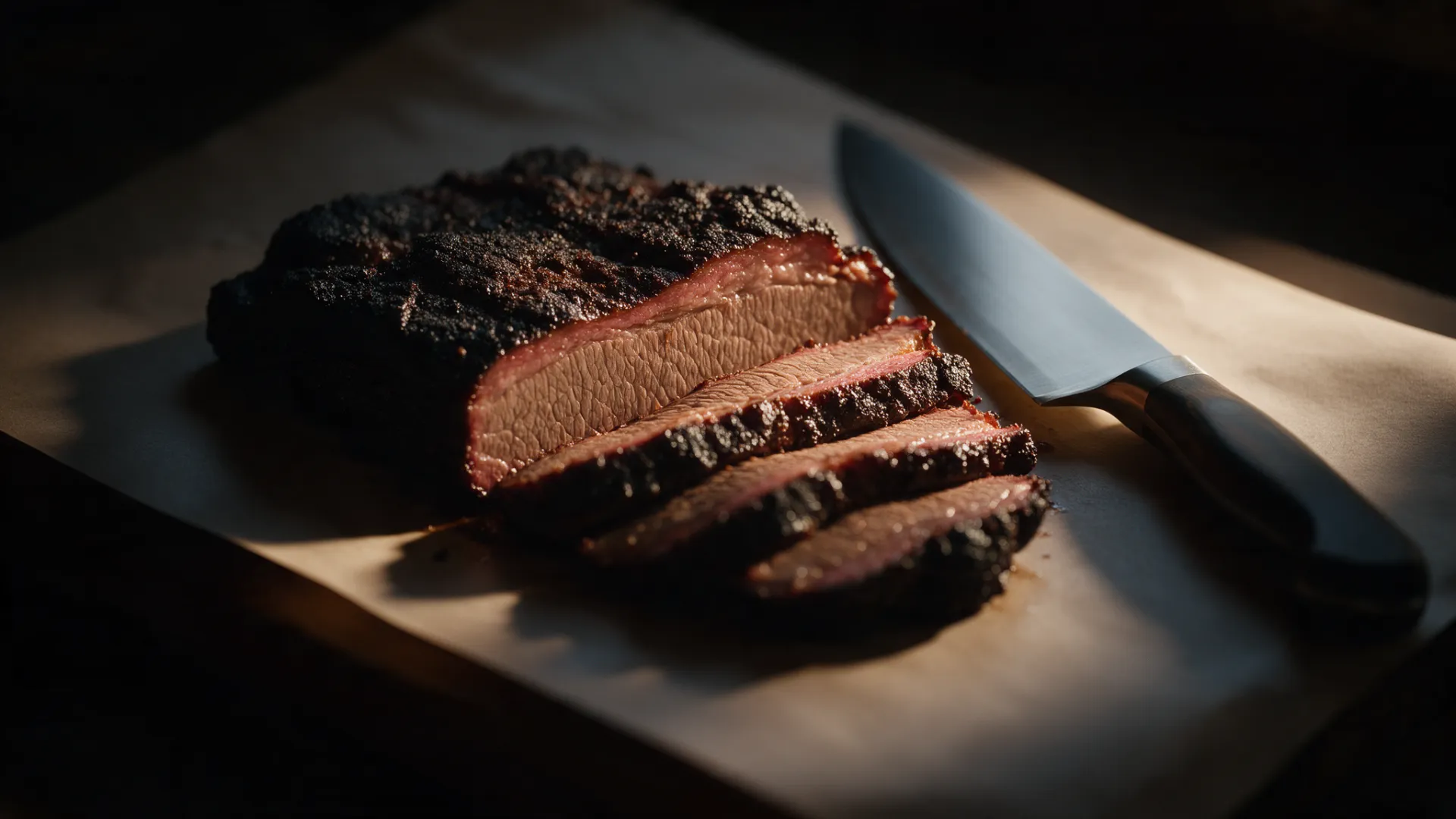
Whole shoulders here often come with the rind on. Take it off for smoking. Franklin says pork skin on the smoker goes as tough as a football and stops the rub and smoke getting to the meat. The bark forms on the meat itself, it doesn't form on skin or a thick layer of fat (what bark actually is). Lift the rind off in one sheet, trim the fat underneath to a thin even layer, and keep the rind.
Then roast the rind separately for crackling. I've done crackling on a pork belly that came out hard, crunchy and slightly bubbled, which is reason enough to keep it.
How much to buy
Expect to lose a third or more of the weight. A 1.8 kg shoulder Greg Blonder cooked on a drip rig lost about 33%, and smoked brisket loses about 40% in the studies. Then the bone, gristle and rind come off on top of that. Nobody's measured a smoked shoulder properly that I've found, and I haven't cooked one to weigh yet. How much meat per person has the crowd maths.
What does done look like?
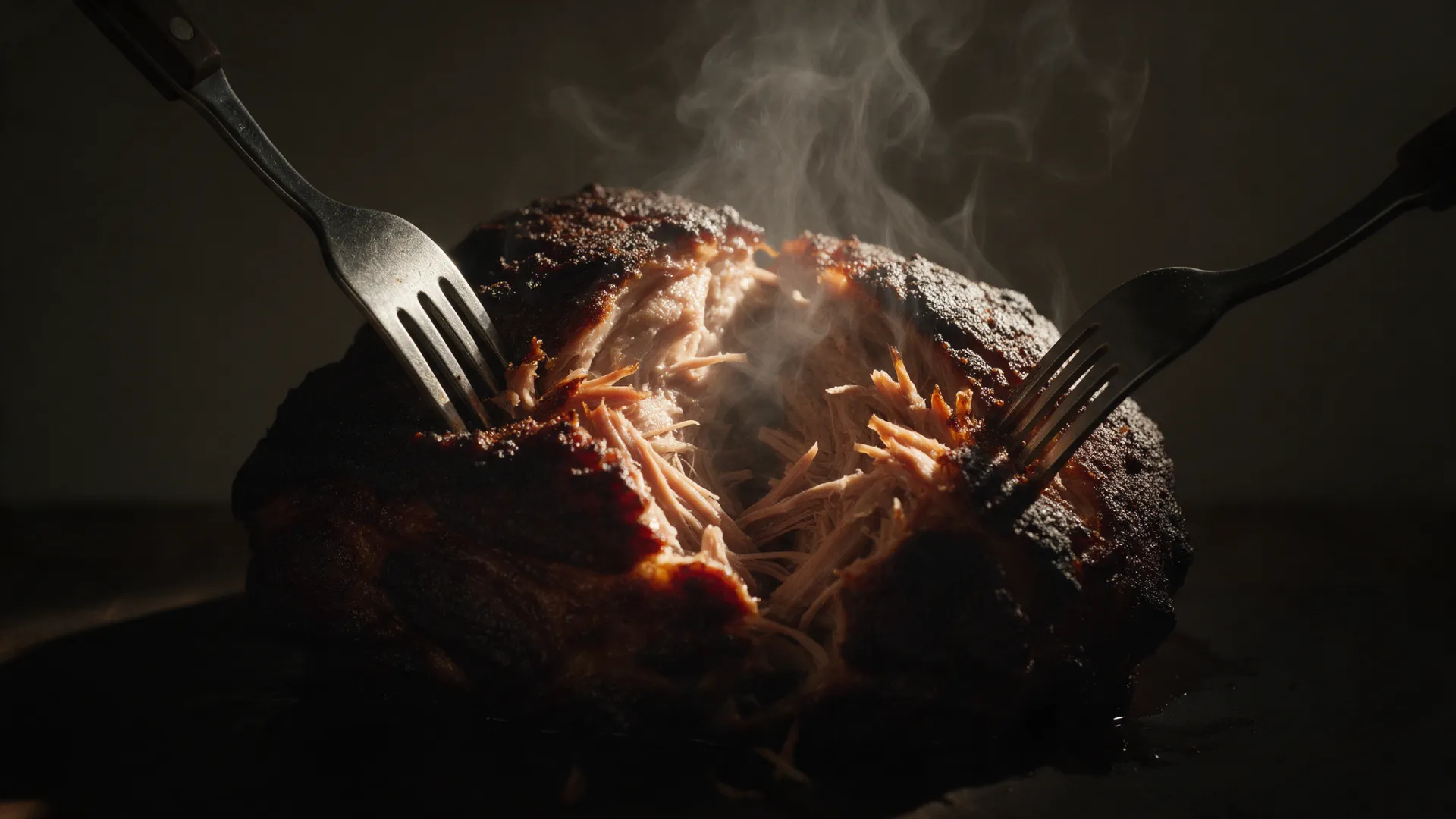
It's done when it's soft all the way through. A probe slides in everywhere with no resistance and, if the bone's in, the bone wiggles and pulls out clean. That usually means somewhere around 93–96°C (199–205°F) inside. That range is what pitmasters go by, no study has set it. I haven't logged a shoulder on my own pit yet, so for background on the fire and the stall, the brisket recipe and why your brisket stops climbing are worth a read. Franklin wraps pork in foil, where he wraps brisket in paper, so it isn't all the same.
You can overdo it. In the one pulled pork study I found (Swaney-Stueve and colleagues, 2019), the researchers reported that pork cooked hotter or for longer came out less tender, too firm and less moist. So pull it when it's soft rather than chasing a bigger number.
Safety isn't the worry here. Pork needs 70°C (158°F) in Australia, and pulled pork goes way past that. US pages say 63°C (145°F) plus a rest, but in Australia it's 70°C. It pulls because long, hot cooking turns the connective tissue to gelatin and loosens the fibres from each other (why low and slow works). In a brisket study, the tasters scored the meat less and less cohesive, so it pulled apart more easily, as the end temperature and hold time went up. Pulled pork is that end of the curve on purpose. That's beef, so take it as reasoning across from one meat to another.
Pull it late, hold it hot
A whole shoulder holds its heat. Pulled pork has a lot more surface and loses heat far faster. So rest the shoulder whole and wrapped, and pull it close to when people are eating.
Pull it into chunks rather than threads. Fish out the soft fat and gristle, and mix the dark outside bark and the juices back through. In that 2019 study, how the pork looked, its colour especially, was a big part of whether people liked it. Use clean hands or gloves and clean tongs, it's cooked food from here on.
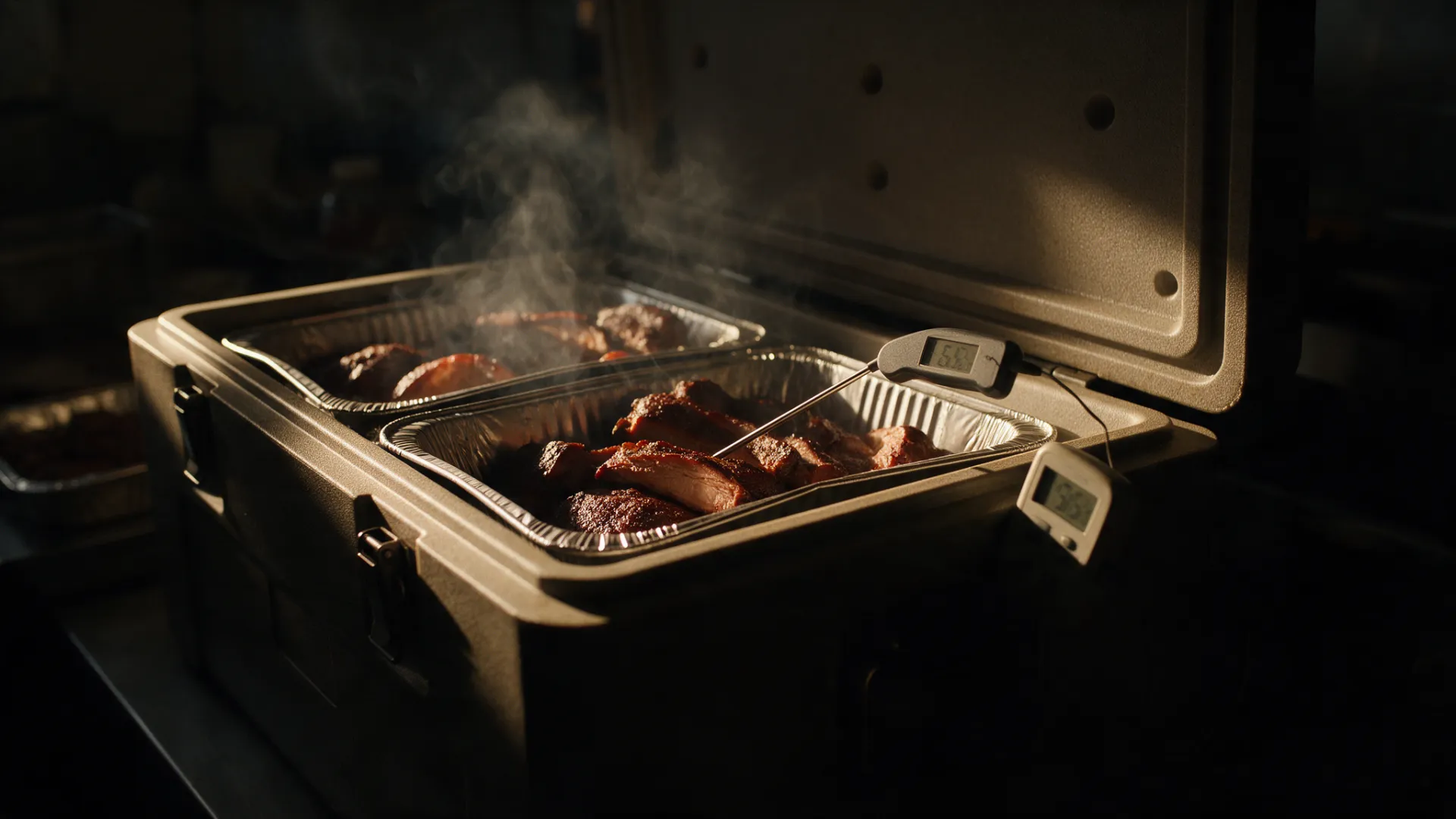
If it has to wait, keep it covered in a pan with its juices and leave a probe in the meat. It's the meat temperature that counts, not the oven or the warmer.
Leftovers
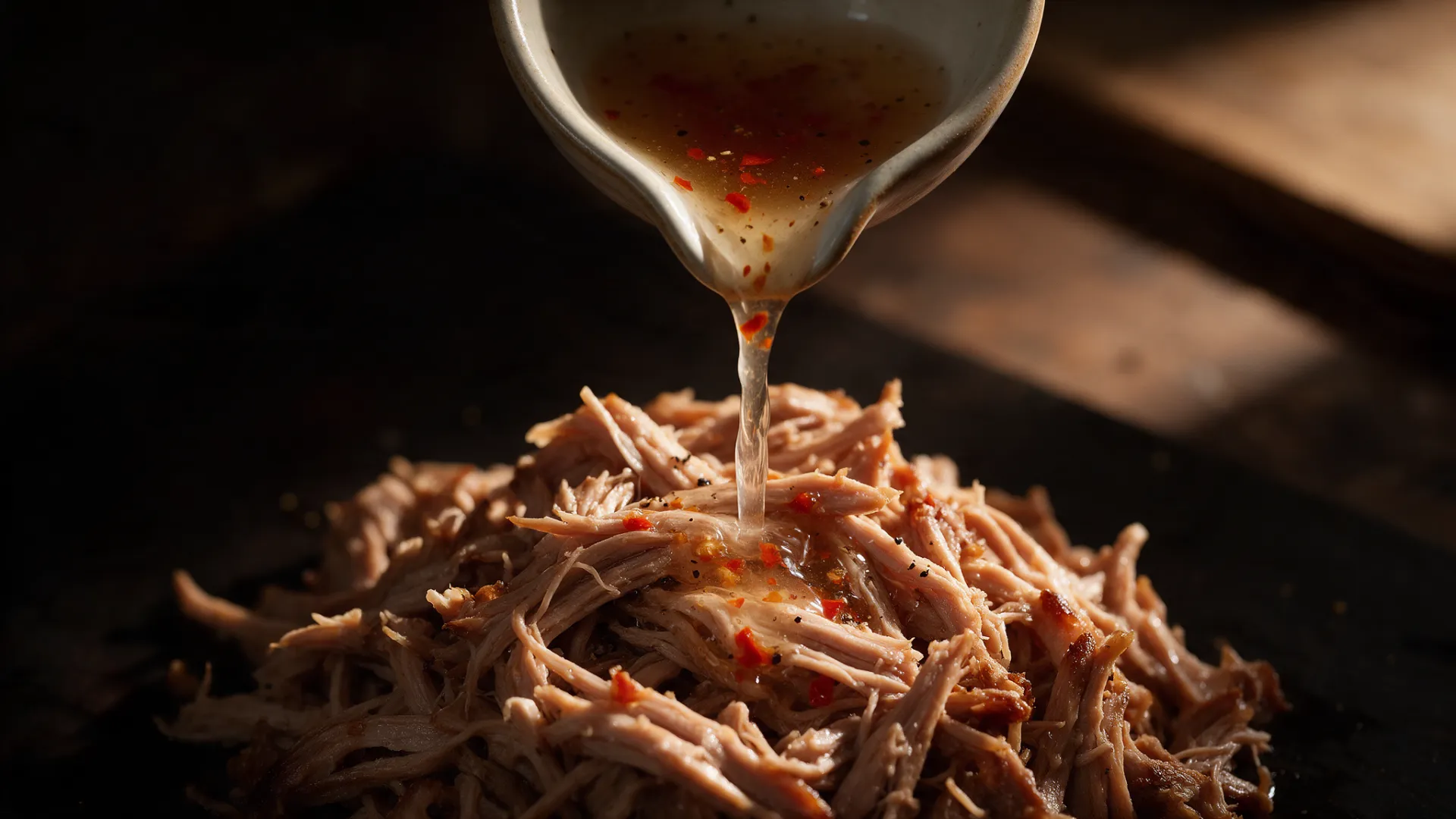
Spread leftovers out in shallow containers and get them into the fridge once they stop steaming. A deep tub of pulled pork cools far too slowly in the middle. A thin vinegar sauce is the classic partner at the table (Carolina vinegar sauce).
Why not pull a brisket?
Pork shoulder is the cut built for pulling. In two brisket studies, pulled brisket scored lower than the same brisket sliced or chopped. So slice the brisket and pull the pork (why is my brisket dry?).
Quick answers
What is a Boston butt called in Australia?
There isn't one name. The US Boston butt is the top of the pork shoulder with the blade bone in. Australian butchers sell that area as the collar butt, called pork scotch fillet or pork neck when it's boneless, plus the shoulder blade, or as part of a whole pork shoulder. Ask for the top end of the shoulder, bone in, rind off.
What temperature is pulled pork done?
Usually around 93–96°C (199–205°F) in the thickest part, but go by feel. A probe should slide in everywhere with no resistance, and the bone should wiggle loose. Pork is safe at 70°C in Australia, so the extra heat is for pulling. Don't push far past tender, because one study found pork cooked hotter or longer ate firmer and drier.
Should I take the rind off pork shoulder before smoking?
Yes, for pulled pork. The rub and smoke need to reach the meat, and the bark forms on meat rather than on skin. Aaron Franklin says the skin turns tough as a football on the smoker. Take the rind off in one sheet, trim the fat underneath thin, and roast the rind separately for crackling.
How do I keep pulled pork hot for a party?
Keep it covered in a pan with its juices and check the meat with a probe. It needs to stay at 60°C (140°F) or hotter. Once it drops below 60°C you have four hours in total, then serve it or throw it out. Better still, rest the shoulder whole and pull it just before serving. Leftovers go into shallow containers and the fridge once they stop steaming.
For the curious
The AUS-MEAT codes are 4240 for the boneless collar butt (pork scotch), 4056 for the shoulder blade, 4049 for the picnic and 4029 for the whole square-cut shoulder. In the US the Boston butt is IMPS 406. Texas A&M's meat science pages describe the 406 butt. The pulled pork study is Swaney-Stueve et al. 2019, which tested different smokers and woods. Only the abstract and a trade summary were read, so the details of how the samples were cooked are unknown. The brisket score that fell is panel cohesiveness, from Kerth et al. 2025. Turning collagen into gelatin is collagen solubilisation. Franklin's pork advice is in Franklin Barbecue: A Meat-Smoking Manifesto (2015). The food-safety numbers follow FSANZ, Queensland Health and Food Safety Information Council guidance, checked 26 October 2026.
If you're between Rockhampton and Bundaberg and would rather someone else stood at the pit for your next event, that's what I do. Get a rough price →